Integrated and Sustainable Production for Inclusive and Resilient Economies (INSPIRE)
INSPIRE improves incomes and resilience of smallholder farming households through Participatory Integrated Planning, climate-smart agriculture, market systems development, and stronger farmer institutions.
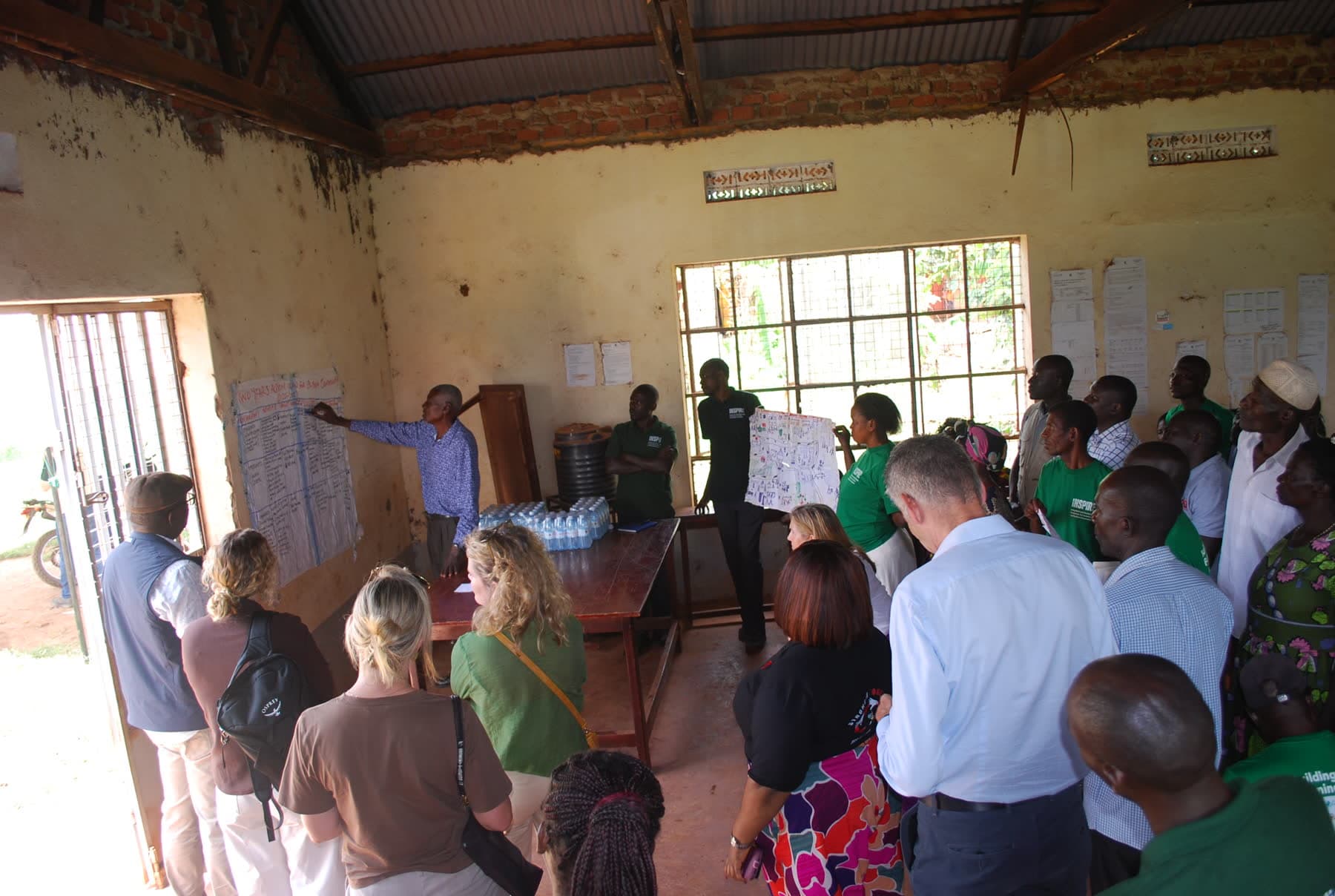
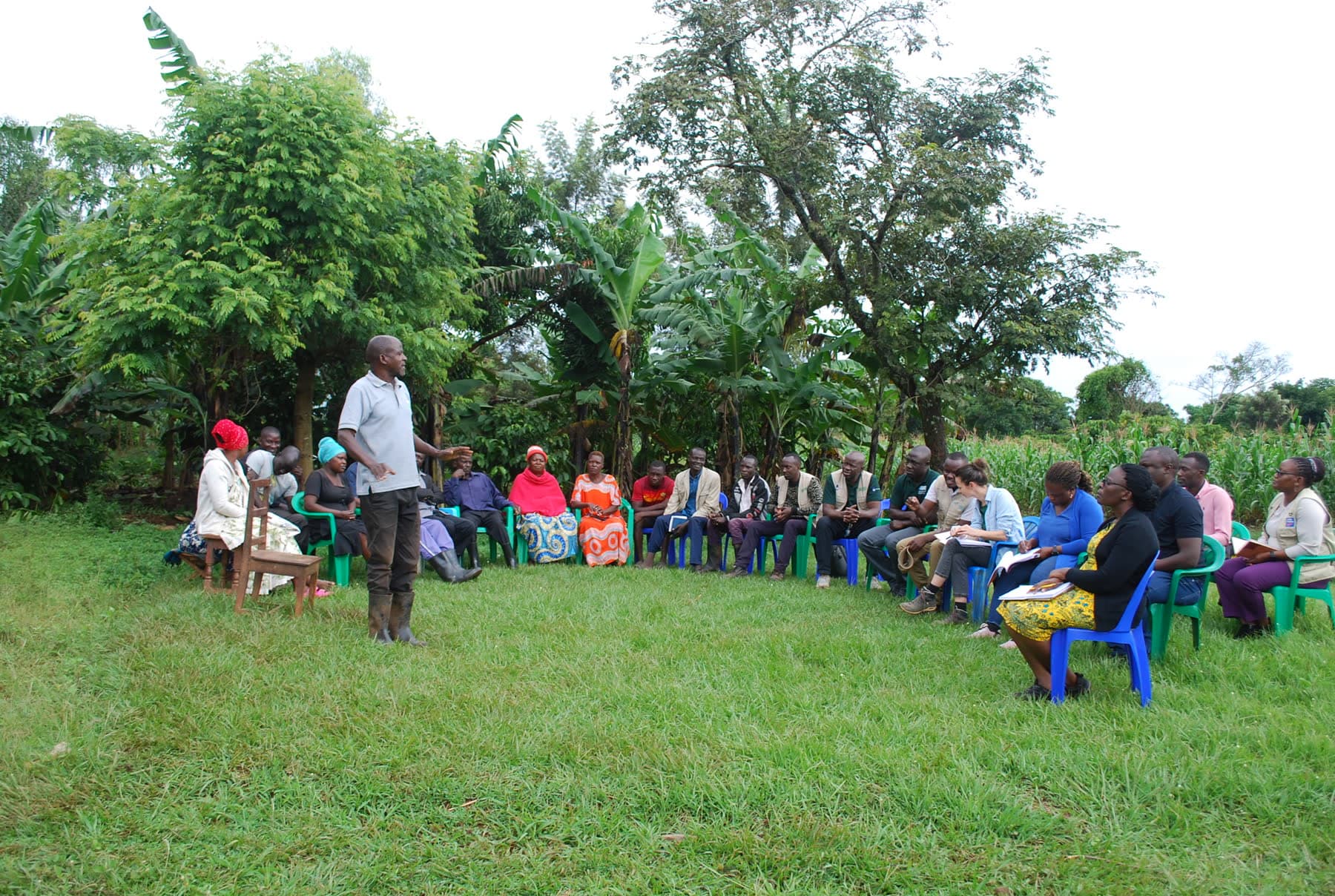
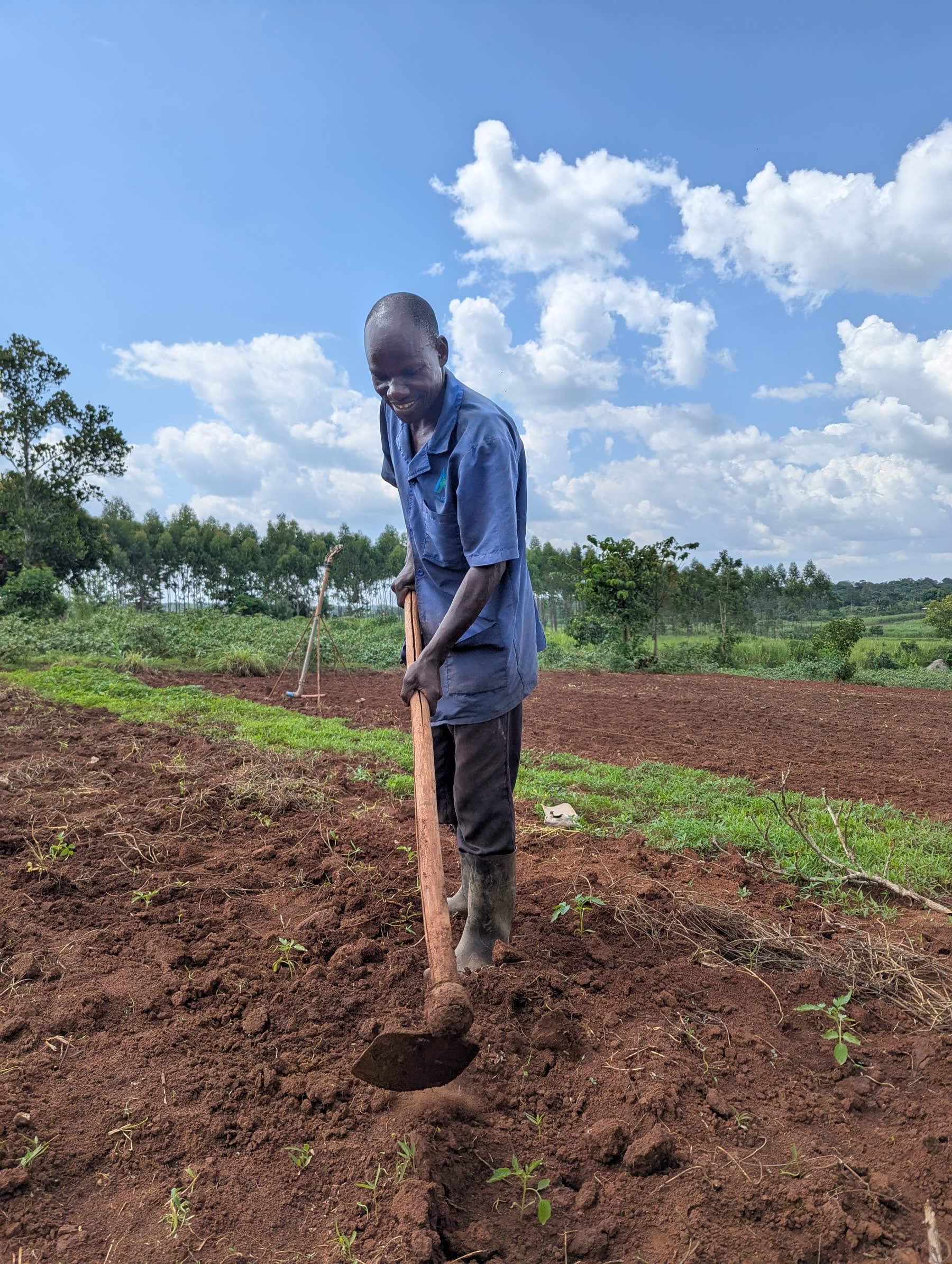
Promote resilient and inclusive economic development by improving the incomes and resilience of smallholder farming households through sustainable agriculture, market systems development, institutional strengthening, and community-led planning.
Promoting resilient and inclusive economic development through sustainable agriculture, market systems, institutional strengthening, and community-led planning.
The programme works across the Busoga and Lango sub-regions. It uses Participatory Integrated Planning, climate-smart agriculture, sustainable land and water management, farmer-to-farmer extension, demonstrations, exchange visits, agribusiness clusters, financial inclusion, private sector partnerships, and institutional capacity building.
- Strengthen inclusive household and community decision-making through Participatory Integrated Planning.
- Improve productivity, sustainability, and resilience of smallholder farming systems through climate-smart agriculture and sustainable land and water management.
- Increase production, quality, sales, profitability, and market participation of smallholder farmers.
- Strengthen market systems and improve access to quality inputs, finance, information, technologies, and markets.
- Strengthen farmer organisations, cooperatives, VSLAs, and SACCOs for sustainable service delivery.
- Promote inclusive participation of women, youth, and persons with disabilities in agricultural and economic development.
200,000 smallholder farmer households across nine districts in the Busoga and Lango sub-regions, covering 50 sub-counties and 800 communities. The programme targets women, youth, persons with disabilities, vulnerable households, farmer groups, cooperatives, VSLAs, SACCOs, local governments, financial institutions, input suppliers, processors, and other agricultural market actors.
Nine districts across Busoga and Lango: Alebtong, Lira rural, Amolatar, Dokolo, Kamuli, Buyende, Kaliro, Luuka, and Jinja rural. VEDCO operates in Kamuli, Jinja rural, and Amolatar.
Participatory Integrated Planning, climate-smart agriculture, sustainable land and water management, farmer-to-farmer extension, demonstrations, exchange visits, market systems development, agribusiness clusters, cooperative and SACCO strengthening, financial inclusion, private sector partnerships, and capacity building.
GOAL, Wageningen Environmental Research, Agriterra, Resilience BV, VEDCO
- Inclusive household and community decision-making strengthened
- Productivity, sustainability, and resilience of smallholder farming systems improved
- Market participation, farmer organisations, cooperatives, VSLAs, and SACCOs strengthened